
What to know about senior assisted living
Typing senior assisted living near me into a search engine often brings up hundreds of results. For families, this moment usually means a parent or family member needs more daily support.
It is a significant transition, and feeling overwhelmed is completely normal.
Finding the right environment is about more than proximity.
It is about discovering a place where your family member will feel known, respected, and genuinely at home.
The value of a small home model
Many search results highlight large campus communities. While these offer extensive amenities, they can sometimes feel institutional.
An alternative is small-home assisted living
These residential settings house a smaller number of residents. The focus shifts from managing a large facility to knowing each resident as an individual.
Arcadia Living was founded on a very personal experience. When our founder Donna needed care for her grandmother after major surgery, institutional settings felt impersonal. Donna brought her grandmother into a residential home with individualized support, and her grandmother went on to live another six years surrounded by familiar faces and comforting routines.
That experience became the foundation of Arcadia. Older adults do better when daily life still feels meaningful and familiar.
In a smaller home, daily life looks more like what your parents are used to.
Caregivers have time to learn:
- Personal preferences
- Favorite morning routines
- Lifelong stories
This familiarity reduces anxiety and helps residents settle in with dignity.
What to look for when touring communities
When you begin visiting locations, look beyond the physical building. Pay attention to the daily rhythm of the home. A list of questions to ask on a tour helps you gather what you need without feeling rushed.
Elements that are worth watching closely during an assisted living facility tour:
- Familiar caregivers: Notice whether staff members know residents by name and anticipate their needs.
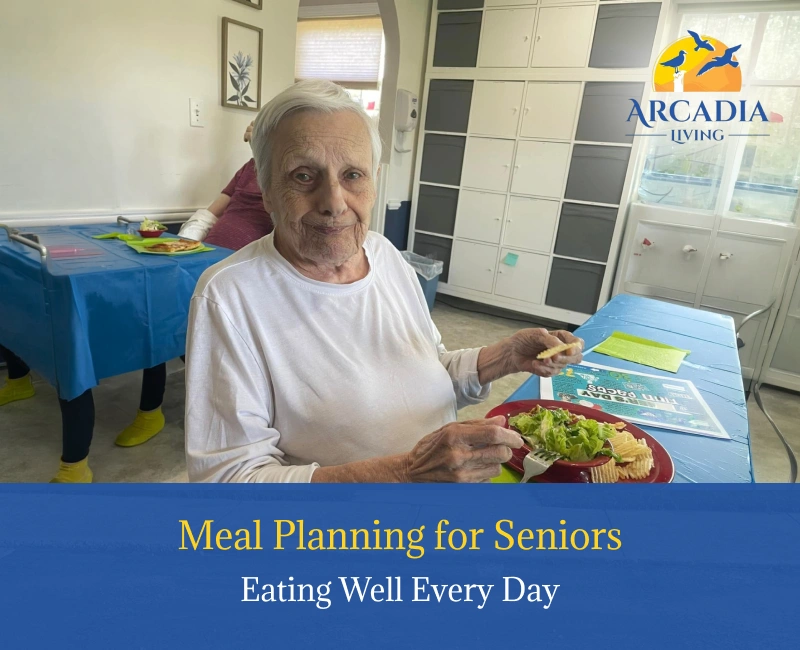
- Home-cooked meals: Meals prepared in a residential kitchen often feel more comforting than cafeteria dining.
- Shared living spaces: Look for cozy, accessible areas where residents naturally gather to socialize or read.
- Personalized routines: Ask how the home adapts to a resident who prefers waking early or staying up late.
- Open communication: The team should welcome your questions and keep families involved in daily updates.
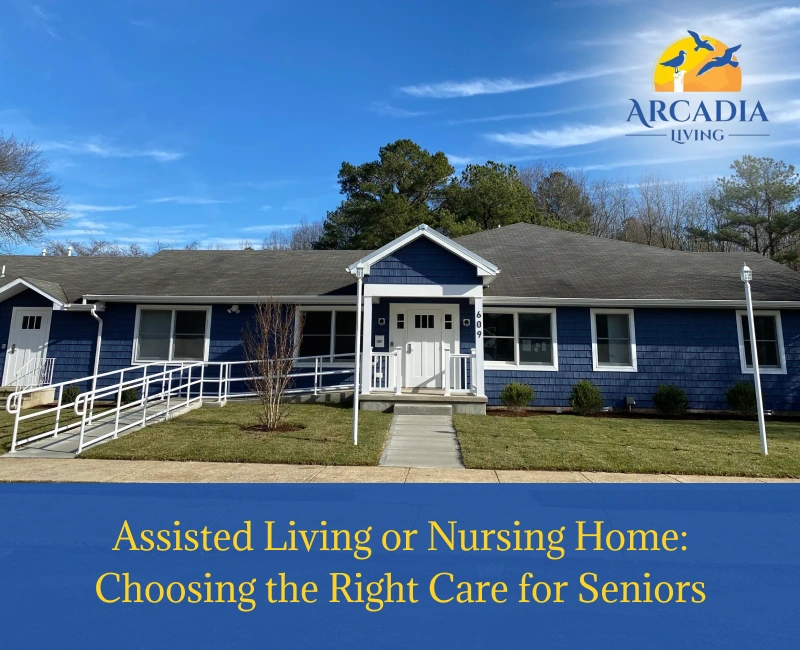
- Safety features: Look for grab bars in bathrooms, step-free entries, and clear pathways. The home should feel secure without looking like a medical facility.
Clarifying the level of care needed
It helps to understand the difference between residential care and medical facilities. Assisted living is not a nursing home.
An assisted-living home focuses on supporting activities of daily living.
Depending on each resident’s care plan, this can include help with:
- Bathing
- Dressing
- Medication support
- Mobility
The goal is to preserve as much independence as possible while keeping residents safe.
If your parent is experiencing cognitive changes, you may also want to ask about memory support. Person-centered memory support relies on calm communication, familiar surroundings, and meaningful activities tailored to the individual.
Supporting the emotional transition

Caregiver helping elderly woman
Moving to a new home brings up complex emotions for both the older adult and their family. It is common to feel grief or uncertainty.
Acknowledge these feelings openly. Remind your parent that their personal belongings, photographs, and favorite furniture will come with them.
Personalizing a bedroom helps maintain a strong sense of identity.
You can also explore options like private versus shared rooms to decide which arrangement best suits their need for privacy and companionship.
After the move, stay involved.
Join them for meals, attend community activities, or simply sit together outdoors. Your continued presence reinforces that this is a new chapter, not an ending.
Involving your parent in the decision
The transition is smoother when the older adult feels heard. Frame the conversation around gaining support rather than losing independence.
Talk about how help with housekeeping, cooking, and maintenance frees up their time. They can focus on hobbies, socializing, and relaxing.
Respect their pace. If they are hesitant, suggest visiting a community just to observe the atmosphere and share a meal.
Reading family reviews and testimonials can also offer reassurance about the quality of care and the warmth of the staff.
Taking the next step
The search for the right home does not have to be stressful.
By focusing on environments that prioritize personal attention and familiar routines, you can find a place that truly feels like home.
When you are ready to explore your options, we invite you to schedule a personal tour.
Meeting the team and seeing the residential spaces in person is the best way to know whether it is the right fit for your family.