The Average Cost of Senior Living in Maryland: 2026 Guide
Planning for assisted living is a financial decision and an emotional one. Whether your family is planning ahead or responding to a recent change, understanding the cost of assisted living Maryland families can expect is one of the first steps toward a clear, confident decision.
So, how much does assisted living cost in Maryland? The average cost of assisted living in Maryland is $7,173 per month.
How Much Does Assisted Living Cost in Maryland?
The median cost of assisted living in Maryland is $7,173 per month, or about $86,076 per year. That is roughly 16% higher than the national median of $6,200 per month.
Your family’s actual cost will depend on the home, the room, and how much daily support your parents need. A median is a midpoint, not a price quote. Some communities charge more and some charge less, and the most reliable number comes from a personal assessment and a written fee schedule.
Maryland Assisted-Living Costs at a Glance
| Monthly | Annual | |
| Maryland median | $7,173 | $86,076 |
| National median | $6,200 | $74,400 |
What Assisted Living Costs at Arcadia in 2026
Arcadia publishes its 2026 fees on each home’s page. Monthly base room rates range from $5,400 to $7,000, depending on the location and room type, with a one-time admission fee of $4,500.
| Arcadia Home | Room Options | 2026 Monthly Base Rate |
| Arcadia of Chester | Semi-private room, shared bath | $5,400 |
| Private room, shared bath | $6,000 | |
| Semi-private suite, shared bath | $6,200 | |
| Arcadia of Crofton I | Private room, shared bath | $6,000 |
| Private room, private bath | $6,400 | |
| Arcadia of Crofton II | Private room, shared bath | $6,000 |
| Private room, private bath | $6,400 | |
| Arcadia of Davidsonville | Semi-private room, shared bath | $6,000 |
| Private suite with kitchenette, private bath | $7,000 | |
| Arcadia of Denton I | Private room, private bath | $6,200 |
| Arcadia of Denton II | Private room, shared bath | $6,000 |
| Private room, private bath | $6,200 | |
| Private studio, private bath | $6,400 | |
| Arcadia of Easton | Private room, shared bath | $6,000 |
What a Small Home Means for Your Monthly Rate
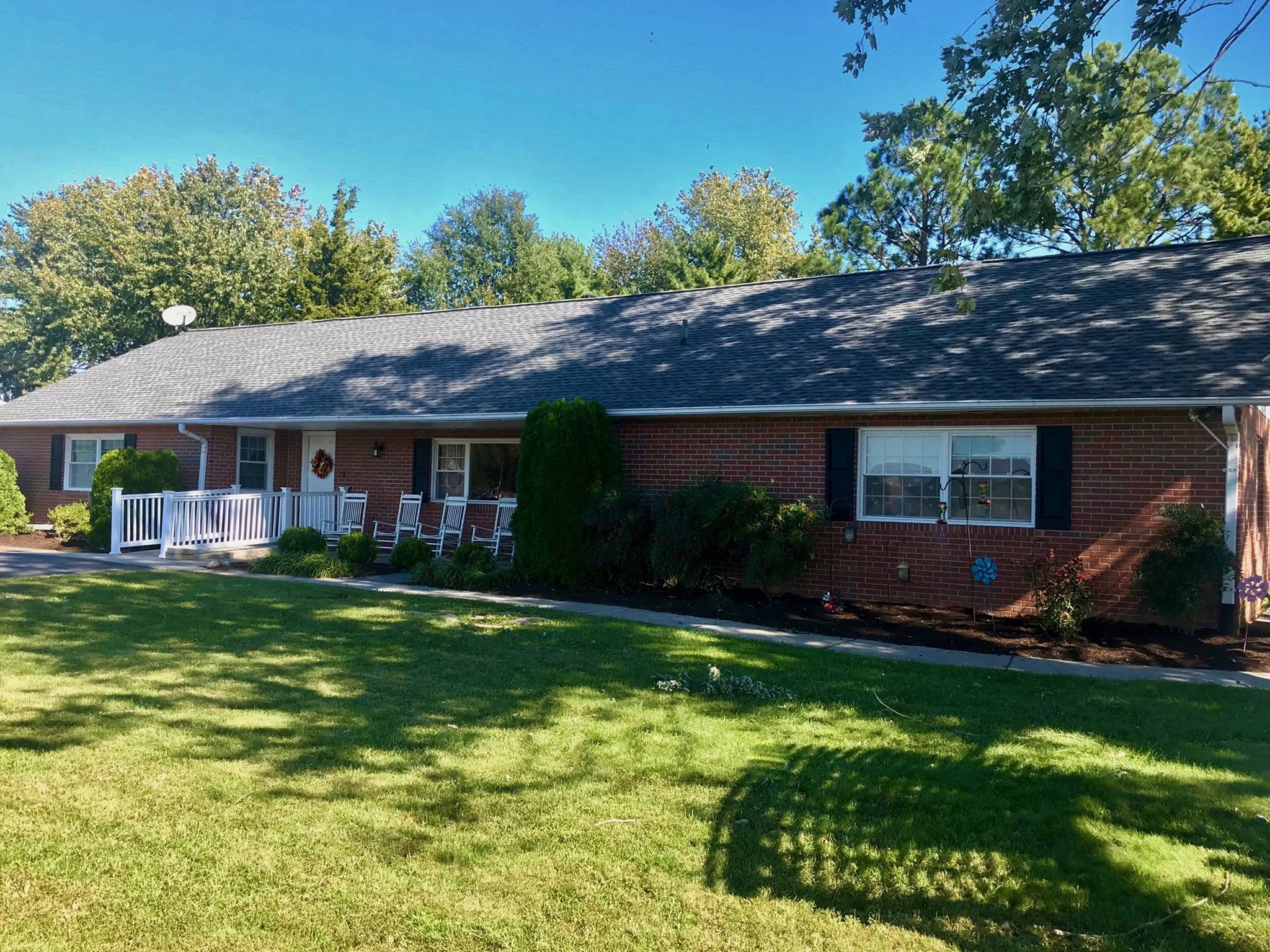
Arcadia’s homes are intentionally small, with most offering 15 or 16 rooms. That shapes what a family is paying for: a shared assisted living room and dining table, home-cooked meals, and caregivers who see the same residents every day and come to know their routines and preferences.
The model traces back to 2006, when Donna Poole founded Arcadia after bringing her grandmother home from impersonal institutional care and arranging the individualized support she deserved. Her grandmother lived another six years.
Average Cost of Assisted Living in Maryland Compared With Other Options
The average cost of assisted living in Maryland makes more sense when you know what it covers and how it differs from other kinds of support. Each option serves a different level of need, and pricing follows from that.
Independent living
Designed for older adults who do not need daily help with personal care. Monthly fees usually cover housing, some meals, housekeeping, and social activities.
Home care
Caregivers visit a person’s own home for a set number of hours. Costs depend on how many hours of help are needed each week, and they can rise quickly when a person needs support throughout the day and night.
Assisted living
A residential setting where caregivers help with daily activities such as bathing, dressing, meals, and medication support, while residents keep as much independence as possible. The monthly rate typically combines housing, meals, and personal assistance.
Memory support
Assisted living with added structure, supervision, and familiar routines for people living with dementia or other memory changes. Some communities offer it within assisted living; others operate separate units or buildings.
Skilled nursing
Nursing homes provide 24-hour licensed medical care for people with complex health needs or short-term rehabilitation after a hospital stay. It is a different level of care from assisted living and generally costs significantly more.
What Affects the Cost of Assisted Living in Maryland
Two communities in the same county can quote very different rates, which is why the average cost of assisted living in Maryland is only a starting point. The difference usually comes down to a few factors.
Location
Housing, staffing, and operating costs differ across Maryland, so prices near larger metro areas often look different from prices in smaller towns. The CareScout tool linked above is a useful way to check your region.
Room Type
A private room with a private bathroom typically costs more than a shared room or a room with a shared bath. Our guide to private and shared rooms in assisted living walks through what each option means day to day.
Level of Daily Support
A resident who needs a reminder at mealtime receives a different level of help than a resident who needs hands-on assistance with bathing, dressing, and moving around the home. More support means more caregiver time, and pricing usually reflects that.
Memory Support Needs
A person living with dementia may benefit from more structure, supervision, and calm, consistent routines. Ask each community how memory support is priced and what it includes.
The Kind of Setting
A large campus may bundle amenities such as multiple dining venues or fitness centers into its rate. A small home offers a different kind of daily life. Compare what is included, not only the monthly number.
Contract Terms
Some communities charge entrance fees or deposits, and policies on rate increases vary. Read the resident agreement carefully before signing.
How Maryland’s Levels of Care Affect the Monthly Rate
Levels of care are one of the biggest variables in the cost of assisted living Maryland families pay each month. Maryland’s assisted-living regulations recognize three levels of care:
- Level 1 (low)
- Level 2 (moderate)
- Level 3 (high)
These levels describe support needs. They are not prices.
A resident’s level is determined through the state’s standardized assessment, which looks at health, daily functioning, behavior, and social needs. The assessment is completed before move-in and updated when a resident’s condition changes.
Each assisted-living program sets its own fees, and some use their own service tiers that do not line up one-to-one with the state’s three levels.
During a tour, it helps to ask:
- How will my parent’s assessment translate into the monthly rate?
- What would cause the rate to change, and how much notice would we receive?
- How often are residents reassessed?
See these questions to ask when doing an assisted living tour.
Costs to Ask About Beyond the Monthly Rate
The base rate is only part of the picture. Before comparing communities, ask for a written fee schedule and a list of what is and is not included.
- One-time fees: Many communities charge an admission or community fee at move-in. Ask whether any portion is refundable.
- Changes in care needs: Ask how and when the rate adjusts if more support becomes necessary.
- Annual increases: Ask how often rates are reviewed and how much notice families receive.
- Short-term stays: Respite rates are often priced differently from long-term residence.
- Personal supplies: Incontinence products, toiletries, and over-the-counter items may be billed separately.
- Outside providers: Prescriptions, home health, visiting therapy, and hospice services are generally billed by those providers or through the resident’s insurance, not through the assisted-living rate.
- Everyday extras: Hair care, phone or cable service, and transportation to personal outings may carry separate charges.
How Maryland Families Pay for Assisted Living
Once you know how much assisted living costs for your family, the next question is how to pay for it. Most families pay for assisted living through a combination of sources. Here is how the main options work in Maryland.
Medicare
Medicare generally does not cover nonmedical long-term care in assisted living, including room and board. It may separately cover eligible medical services, such as doctor visits.
Maryland Medicaid Community Options Waiver
This waiver can pay for assisted-living services, but not room and board, for adults who meet Medicaid’s financial rules and need a nursing facility level of care. Not every assisted-living home participates, and enrollment may be limited.
SOAR (Supporting Older Adults with Resources)
Effective July 1, 2026, Maryland consolidated its Senior Assisted Living Subsidy, Senior Care, and Congregate Housing programs into SOAR. The program can provide partial financial support toward assisted-living monthly fees for eligible older adults, along with case management.
VA Aid and Attendance
Wartime veterans and surviving spouses who meet income, net worth, and care-need requirements may qualify for an enhanced VA pension. From December 1, 2025, through November 30, 2026, the maximum annual pension with Aid and Attendance is:
- $29,093 for a veteran with no dependents (about $2,424 per month)
- $34,488 for a veteran with one dependent (about $2,874 per month)
- $18,697 for a surviving spouse with no dependents (about $1,558 per month)
These are maximums. The actual payment is reduced by countable income, which may include some offset for unreimbursed care costs. Current rates are posted on VA.gov.
Long-Term Care Insurance
Coverage depends on the policy, including waiting periods and daily or monthly limits. Families should confirm benefits directly with the insurer.
Life Insurance Options
Some life insurance policies include long-term care riders or can be converted to help pay for care. The rules vary widely, so review the options with the insurer and a financial professional.
Personal Resources and Family Contributions
Savings, retirement income, Social Security, pensions, and proceeds from a home sale all play a role for many families. Some siblings share costs, and some homeowners explore a reverse mortgage. An elder-law attorney or financial professional can help you understand the tradeoffs.
Arcadia can walk your family through its fee structure, but it cannot determine eligibility for any benefit program.
How to Plan for the Cost of Assisted Living in Maryland
A little preparation makes tours more productive and conversations with siblings easier. It also helps you move from the statewide average cost of assisted living in Maryland to a number that fits your own family.
- Start early if you can: Planning before a hospital stay or sudden change gives your family more choices and more time to talk with your parent about what matters to them.
- List monthly income: Include Social Security, pensions, and any regular distributions.
- List available assets: Note savings, investments, and property that could support care over time.
- Describe daily needs honestly: Write down where your parent needs help today, from meals and medication to bathing and mobility.
- Tour more than one community: Seeing a few settings helps your family understand what feels right, not only what fits the budget.
- Compare written fee schedules side by side: Match room types and support levels so the comparison is fair.
- Plan for change: Build in room for annual rate adjustments and for support needs that may grow.
- Talk with a professional: An elder-law attorney or financial advisor familiar with long-term care can help with benefits, insurance, and asset planning.
Assisted Living Services at Arcadia’s Maryland Homes
At Arcadia, caregivers offer personal, non-clinical support in a small home, and clinical care is coordinated with each resident’s physician and licensed healthcare providers. The support a resident receives, and the level of care used to set the monthly rate, comes from an individual assessment and the approved care plan.
Diabetes Management
Arcadia’s diabetes management support includes personal help with daily routines, meals prepared with each resident’s dietary needs in mind, and medication support within the approved care plan, while clinical diabetes care stays with the resident’s physician and healthcare providers.
Senior Medication Management
With senior medication management, caregivers help keep the daily medication routine organized and on schedule, coordinating with the resident’s physician and pharmacy.
Memory Support
Arcadia’s memory support focuses on calm communication, meaningful activities, familiar surroundings, and knowing each resident’s personal history, with caregivers working closely with families as needs change.
Mobility Assistance
Mobility assistance at Arcadia includes hands-on help with standing, walking, and transferring, including support for residents who use a cane, walker, or wheelchair.
Rehabilitation Support
Through rehabilitation support, caregivers assist with daily routines, meals, and moving safely around the home, while physical and occupational therapy are coordinated with the resident’s physician and visiting therapists.
Hospice Coordination
With hospice coordination, a licensed hospice provider delivers hospice services, and Arcadia’s caregivers continue the personal assistance and comfort the resident already knows.
Talk Through Costs With the Arcadia Team
Every family’s situation is different, and the numbers are easier to understand in person. The Arcadia team can review current room options and 2026 rates for the home you are considering and explain how an assessment shapes the monthly fee. Schedule a personal tour or call 410-643-4344.
You can also browse our answers to common questions about assisted living.
Frequently Asked Questions About the Cost of Assisted Living in Maryland
What is the average cost of assisted living in Maryland?
The median cost of assisted living in Maryland is $7,173 per month, or about $86,076 per year. That is about 16% above the national median of $6,200 per month.
How much does assisted living cost in Maryland per year?
Based on the statewide median of $7,173 per month, a year of assisted living in Maryland costs about $86,076. At Arcadia, 2026 base room rates work out to about $64,800 to $84,000 per year, plus a one-time $4,500 admission fee. Your family’s total depends on the home, room, and level of support.
Will we pay the Maryland median?
Not necessarily. The median is a statewide midpoint. Your family’s cost depends on the specific home, room type, and the level of daily support identified in your parent’s assessment.
How much does assisted living cost in Maryland at Arcadia?
Arcadia’s 2026 base room rates range from $5,400 to $7,000 per month depending on the home and room type, with a one-time admission fee of $4,500. Some homes also publish service-level pricing. The Arcadia team can confirm current rates and availability for the home you are considering.
How is my parent’s level of care decided in Maryland?
Maryland uses a standardized Resident Assessment Tool to place each resident at Level 1 (low), Level 2 (moderate), or Level 3 (high). The assessment is completed before move-in and updated when needs change. Each program sets its own pricing, so ask how the assessment connects to the monthly rate.
Does Medicare or Medicaid pay for assisted living in Maryland?
Medicare generally does not cover nonmedical long-term care in assisted living, including room and board. Maryland Medicaid’s Community Options Waiver can cover assisted-living services, but not room and board, for people who meet financial and care-need rules. Eligibility and enrollment are limited, so confirm details with Maryland Access Point.
Is there state help with assisted-living costs in Maryland?
Possibly. Since July 1, 2026, Maryland’s SOAR program can offer partial help with assisted-living monthly fees for eligible older adults. Funding is limited. Contact your local Area Agency on Aging or Maryland Access Point to learn more.
Can veterans get help paying for assisted living?
Wartime veterans and surviving spouses who meet VA income, net worth, and care-need rules may qualify for Aid and Attendance, an enhanced VA pension. Through November 30, 2026, the maximum for a veteran with no dependents is $29,093 per year. The actual amount depends on countable income.
Can long-term care insurance help pay for assisted living?
If your parent has a long-term care policy, it may cover part of the cost of assisted living, depending on the policy’s terms, waiting period, and benefit limits. Confirm coverage directly with the insurer.