
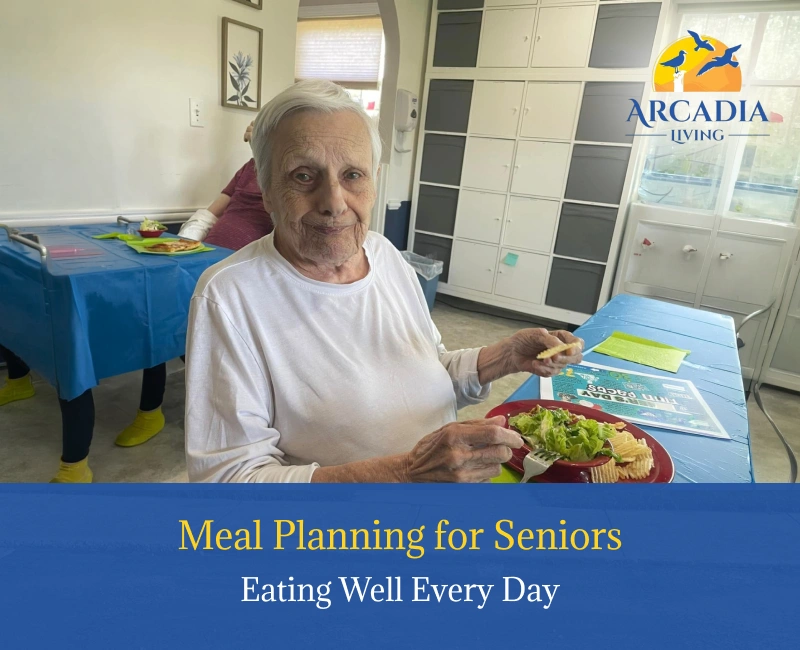
Good nutrition is one of the kindest gifts we can give ourselves as we grow older. Seniors in assisted living in Maryland know this well. Yet for many seniors, meal planning for seniors can quietly become one of the more challenging parts of daily life.
Appetites shift, energy levels change, and health conditions may call for new ways of eating. If you or someone you love has been finding it harder to eat well at home, you are not alone, and small, thoughtful changes can make a meaningful difference.
This guide is your friendly companion that will take you through the first gentle step toward better eating habits and a healthier, more energetic you. Whether you are looking for a simple weekly meal plan for seniors, practical tips for meal planning for seniors, or guidance on how to plan meals for elderly at home, this is a gentle starting point toward better health, more energy, and a longer, more comfortable life.
Why nutrition matters more after 60
As the body ages, its nutritional needs quietly shift. Metabolism slows, the body absorbs certain vitamins and minerals less efficiently, and appetite may decrease. At the same time, the need for key nutrients, such as calcium, vitamin D, fiber, and protein, often increases.
Poor nutrition in older adults can lead to fatigue, weakened immunity, muscle loss, and slower recovery from illness. On the other hand, eating well supports energy levels, bone strength, heart health, and mental clarity. The best foods for seniors over 60 are not complicated or expensive; they are simply whole, nourishing foods chosen with a little care and consistency.
Practical meal planning for seniors
Starting with a plan each week removes a great deal of daily stress around food. A simple weekly menu for elderly individuals does not have to be elaborate. It only needs to be balanced, enjoyable, and realistic for the person preparing or eating it.
Here are a few gentle meal planning for seniors tips to keep in mind:
- Keep meals simple and familiar. Complicated recipes can feel overwhelming. Meals built around a protein, a vegetable, and a wholesome carbohydrate, like baked salmon with roasted sweet potato and steamed greens, are nourishing and easy to prepare.
- Plan for variety across the week. Rotating different proteins, vegetables, and grains helps ensure the body receives a wide range of nutrients without meals feeling repetitive.
- Prepare in batches when energy allows. Cooking a larger portion of soup, grains, or roasted vegetables at the start of the week reduces daily cooking effort while keeping nutritious food readily available.
- Keep a consistent grocery list for seniors. Having reliable staples on hand, eggs, canned beans, oats, leafy greens, yogurt, olive oil, and seasonal fruits, makes it easier to put together a wholesome meal without much planning on busy or low-energy days.
- Stay mindful of portion sizes. Seniors often need fewer calories overall, but the quality of those calories matters greatly. Prioritizing nutrient-dense foods over empty calories helps the body get what it needs without overeating.
Building a healthy meal plan for seniors
A healthy meal plan for seniors focuses on a few core food groups that nourish aging bodies particularly well.
Lean proteins such as chicken, fish, eggs, beans, and low-fat dairy support muscle maintenance and help the body repair itself. Many seniors do not get enough protein, which can contribute to weakness and fatigue over time.
Fiber-rich foods, including whole grains, legumes, fruits, and vegetables, support digestion, help manage blood sugar levels, and contribute to heart health. For seniors managing specific conditions, fiber is especially important.
Calcium and vitamin D from sources like dairy products, fortified plant milks, leafy greens, and safe sun exposure support bone density and help reduce the risk of falls.
Healthy fats from olive oil, avocados, nuts, and fatty fish like salmon support brain health and reduce inflammation.
Hydration is also a vital and often overlooked part of senior nutrition. Many older adults do not feel thirst as strongly, making it easy to become dehydrated without realizing it. Encouraging regular sips of water, herbal teas, or broth throughout the day is a simple but important habit.
Meal planning for seniors with health conditions
Many older adults are managing one or more health conditions that call for a more tailored approach to eating. Meal planning for seniors with health issues does not mean sacrificing flavor or enjoyment; it simply means making thoughtful choices.
For seniors managing heart health, a heart-healthy meal plan for seniors typically emphasizes foods low in sodium and saturated fat, while including plenty of vegetables, whole grains, legumes, and omega-3-rich fish. Reducing processed and fried foods goes a long way in supporting cardiovascular health.
For those managing blood sugar, a meal plan for seniors with diabetes focuses on balancing carbohydrate intake, choosing low-glycemic foods, and evenly spacing meals throughout the day to prevent blood sugar spikes. Foods like oats, lentils, non-starchy vegetables, and lean proteins are excellent foundations.
For seniors who feel persistently tired, a meal plan for seniors with low energy often benefits from increased iron-rich foods, B vitamins, and adequate protein. Small, frequent meals can also help maintain steady energy rather than leaving the body depleted between large meals.
In all cases, it is always wise to consult with a doctor or registered dietitian before making significant dietary changes, especially when managing chronic conditions.
A note for families and caregivers
If you are helping a parent or loved one with meal planning for seniors, your support means more than you may realize. Something as simple as sitting together to plan the week’s menu, helping with a grocery run, or preparing a batch of meals to keep in the refrigerator can ease the burden considerably and ensure your loved one is eating well.
Senior meal prep ideas do not have to be time-consuming. Overnight oats, vegetable soups, hard-boiled eggs, and simple grain bowls are all easy to prepare in advance and easy to enjoy throughout the week.
Nourishing care at Arcadia Assisted Living

At Arcadia Assisted Living, we understand that good nutrition is at the heart of good living. Our communities are designed to ensure that every resident enjoys wholesome, balanced meals in a warm, welcoming environment, without the daily effort of meal planning for seniors alone.
Since 2006, we have been honored to care for seniors across Easton, Chester, Crofton, and Denton, and we have been voted the Best Assisted Living in MD and Winner of “Best on the Shore” for 13 years in a row. If you or a loved one could benefit from the kind of daily support that makes life healthier and more enjoyable, we would love to hear from you.
Reach out to us today; we are here to help.
FAQs
1. What should seniors eat every day for energy and health?
Seniors should focus on lean proteins (eggs, fish, chicken, beans), whole grains, colorful fruits and vegetables, healthy fats like olive oil and nuts, and low-fat dairy for calcium. Staying hydrated is just as important; many older adults don’t feel thirst as strongly. Keeping meals balanced and consistent throughout the day helps maintain steady energy levels.
2. How many calories does a senior need per day?
Most women over 65 need about 1,600–2,000 calories per day, while men need roughly 2,000–2,600 calories per day, depending on their level of activity. As metabolism slows with age, calorie needs decrease, but nutrient needs stay high, so food quality matters more than ever. A doctor or dietitian can give a more personalized recommendation.
3. What are the best foods for elderly brain health?
The top brain-boosting foods for seniors are fatty fish (salmon, sardines), leafy greens (spinach, kale), berries, walnuts, and olive oil. These are rich in omega-3 fatty acids, antioxidants, and anti-inflammatory compounds that help protect memory and cognitive function. Limiting processed foods and added sugars is equally important for long-term brain health.
4. What vitamins are most important for adults over 65?
The most critical ones are Vitamin D and Calcium (for bone strength), Vitamin B12 (nerve and brain function, as absorption declines with age), and Vitamin K (bone and heart health). Magnesium and Vitamin C are also important for immunity and muscle function. Many seniors don’t get enough of these from diet alone, so a daily multivitamin or specific supplements may be worth discussing with a doctor.
5. What foods should seniors avoid?
Seniors should limit processed and packaged foods high in sodium, added sugars, and saturated fats, as these raise the risk of heart disease, high blood pressure, and diabetes. Fried foods, sugary drinks, and excessive alcohol are also best avoided. Raw or undercooked meats and shellfish are worth caution, too, since the immune system becomes more vulnerable with age.