Practical questions to ask when touring assisted living facilities in Chester, MD, from care and cost to daily life. Schedule a calm, no-pressure tour today.
Questions to ask when touring assisted living
A tour is the moment an assisted living community stops being a website and starts feeling real.
It is your best chance to see how caregivers speak to residents, how the home smells and sounds, and whether your parent could picture themselves there.
The right questions turn a friendly walk-through into a clear, honest comparison you can trust.
This guide covers:
- The questions worth asking when touring assisted living
- What to watch for while you are on a assisted living facility
- How to weigh what you learn from the visit
Before you schedule the tour
A little preparation makes every visit more useful.
Before you set a date, jot down what daily support your parents actually need today, and what they may need a year from now.
Bring a notepad or use your phone to record answers, because after two or three tours the details blur together.
Experts generally suggest visiting more than one community and, when possible, touring with a trusted family member or friend. A second set of eyes catches things you might miss, and gives you someone to compare impressions with afterward.
- What level of daily support does my parent need right now, and what might change?
- Who else should be part of this decision, and can they join the tour?
- What matters most to us: location, cost, atmosphere, memory support, or all of these?
- Can we visit around a mealtime or an activity to see the community in motion?
Questions about care and staffing
Care is the heart of any assisted living home, and staffing shapes the quality of that care.
Ask directly about:
- Who provides support
- How they are trained
- How the community responds when needs change
Staffing and availability
- What is the staff-to-resident ratio during the day, and overnight?
- Is there awake staff available around the clock for assistance and emergencies?
- How are caregivers trained, and how long do most stay with the community?
- Who oversees medication, and how is it managed and documented?
If continuous support matters to your family, ask specifically about 24 hour assisted living coverage.
In Chester, families often ask: how overnight care works, since round-the-clock availability is one of the main reasons people choose a residential community.
How care adapts over time
- What happens if my parent’s care needs increase?
- How will we be notified if the recommended level of care changes?
- Do you coordinate with outside providers such as home health, therapy, or hospice?
- Is there a written care plan, and how often is it reviewed with the family?
When staff want to understand your parent’s history, routines, and preferences, it usually signals that they care about a genuine fit rather than simply filling a room.
Questions about cost and fees
Cost is one of the most important factors families weigh, and it is also where surprises hide.
Assisted living pricing can be all-inclusive, with one flat monthly fee, or a la carte, where specific services are billed separately.
Understanding the structure up front prevents confusion later.
- What is the monthly base rate, and what does it include?
- Are there separate charges for personal care, medication management, or laundry?
- Is there a one-time admission or community fee?
- How and when do rates change, and how much notice do you give?
- What payment options do you accept, and can you explain them clearly?
Questions About Rooms and Living Spaces
Where your parent sleeps, eats, and spends their afternoons has a real effect on comfort and dignity.
Tour the actual room types available, not just a model, and picture everyday life in the space.
- What room types are available, and can my parent bring their own furniture?
- Are rooms private or semi-private, and how are bathrooms configured?
- Can residents personalize their space with belongings, photos, and decorations?
- Are doorways, hallways, and bathrooms accessible for walkers or wheelchairs?
- What do the shared living and dining areas feel like, and are they inviting?
While you walk through, notice the small things
- Is the home clean and free of strong lingering odors?
- Is the temperature comfortable?
- Do the common spaces look lived-in and warm rather than clinical?
In a small-home setting, these shared spaces often become the center of daily life.
Questions about daily life, meals, and activities
Beyond care, families want to know that a parent will feel engaged and at home. Meals and activities say a lot about the personality of a community.
- What do meals look like, and can we join residents for one during our visit?
- How does the community accommodate dietary needs and personal preferences?
- What activities are offered, and how are residents encouraged to take part?
- Are there outdoor spaces for walking, sitting, or spending time with family?
- What are visiting hours, and how does the community involve families?
Questions about memory support
If your parent is living with dementia or experiencing memory changes, ask how the community supports cognitive needs with patience, routine, and respect for the person.
- How do you support residents living with dementia or memory changes?
- How do you create familiar routines and a calm, secure environment?
- How are caregivers trained to communicate with someone experiencing confusion?
- How do you keep families informed and involved as needs evolve?
Trust what you see and feel
Questions matter, but so does observation. Some of the most telling signals come from simply paying attention during the tour.
- Do staff greet residents by name and speak with warmth and patience?
- Do current residents seem comfortable, engaged, and at ease?
- If a resident stops to tell you how happy they are, take it as a genuine sign.
- Does the overall atmosphere feel respectful, calm, and welcoming?
Touring Assisted Living Facilities in Chester
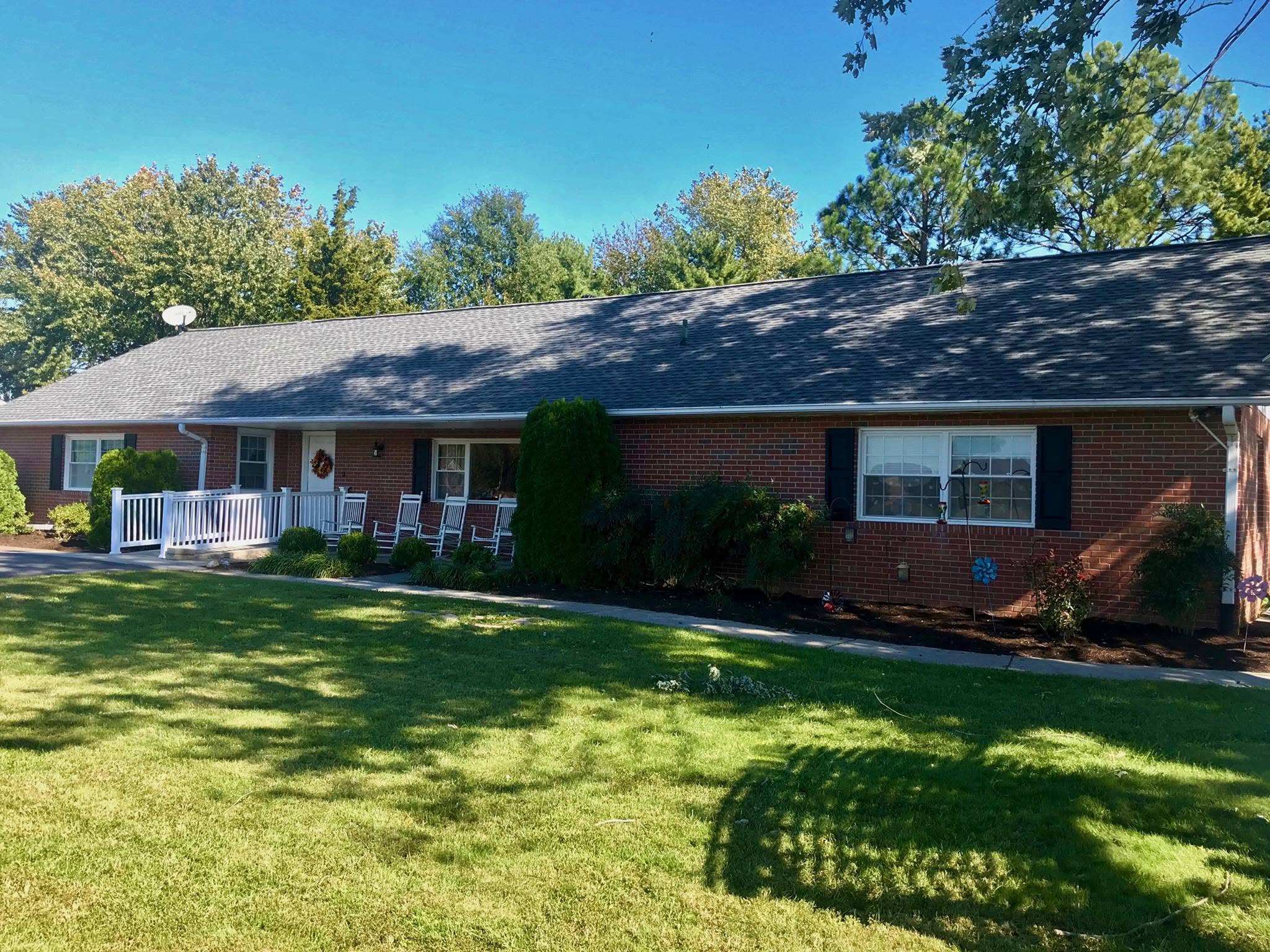
For families searching for assisted living facilities in Chester, Arcadia of Chester offers an intimate, home-style setting on Kent Island. Rather than a large campus, it is a smaller residential community where caregivers get to know each resident as a person, routines feel familiar, and daily life happens around shared living and dining spaces.
Arcadia has served Maryland families since 2006, and the Chester home continues that tradition of personal, dignified care.
When you are ready, you can schedule a personal tour or ask about current room availability through the Arcadia Living website. A calm, no-pressure visit is the best way to understand what support is available and whether the home feels right for your family.
Frequently Asked Questions about questions to ask when touring assisted living facilities near you in Maryland
What questions should I ask before going to assisted living?
Before you tour, focus on the essentials: the level of daily support your parent needs now and may need later, the community’s staffing and overnight coverage, the full cost structure including any added fees, room options, meals and activities, and how care adapts over time. It also helps to ask who else should be involved in the decision and whether you can visit around a mealtime to see the community in action. Bring your questions in writing and take notes so you can compare communities afterward.
What is one of the biggest drawbacks of assisted living?
For many families, the most commonly cited drawback is cost, since assisted living is generally not covered by Medicare and monthly fees can add up, especially at higher levels of care. Another frequently mentioned challenge is the emotional adjustment: leaving a longtime home and adapting to a new environment can feel like a loss of independence at first. Choosing a warm, familiar, small-home setting and asking clear questions about pricing up front can ease both concerns.
What questions are asked at a senior living interview?
During an assessment or intake conversation, staff typically ask about your parent’s medical history, current medications, mobility, and any help needed with daily activities such as bathing, dressing, and eating. They may also ask about routines, food preferences, hobbies, social habits, and memory or cognitive changes. When a community asks thoughtful questions like these, it is usually a good sign, because it means they are trying to build a care plan around the individual rather than a one-size-fits-all approach.
What is the best age to move into assisted living?
There is no single right age. Most residents move in between the ages of 75 and 84, though some move earlier and many move later. Age matters less than need: the best time is generally when living independently starts to affect safety or well-being, such as trouble managing medications, difficulty with everyday tasks, increased fall risk, or growing isolation. Planning before a crisis, rather than after a fall or hospitalization, gives everyone more time to choose thoughtfully.
How do I start the conversation about assisted living?
Start early, gently, and with respect for your parent’s voice in the decision. Choose a calm, private moment rather than a stressful one or a large family gathering, and frame the conversation around their quality of life and safety rather than as an ultimatum. Listen to their concerns, expect that it may take more than one conversation, and involve them in the process by exploring options and touring communities together. If siblings are involved, it helps to get on the same page beforehand so the discussion feels supportive rather than overwhelming.