
Compare aging in place vs assisted living on cost, safety, and lifestyle. See how a small, home-style Maryland community fits in, and how to visit.
What families are really deciding
When a parent starts needing more daily help, the question usually comes down to two paths.
- Aging in place, where your parent stays in their own home and bring in support as needed.
- Assisted living, where your parent moves into a residential community that provides daily support.
The best choice depends on your parent’s health, their home, their finances, the support around them, and what they want for themselves.
Most older adults have a clear preference.
- In AARP’s 2024 Home and Community Preferences Survey, 75% of adults age 50 and older said they want to stay in their current home as they age.
That preference matters, and it deserves real weight in the conversation. At the same time, wanting to stay home and being able to stay home safely are not always the same thing.
What aging in place means
Aging in place means your parent continues living in their own home while getting the help they need there.
That help can come from family, friends, and neighbors, or from paid in-home aides who assist with tasks like bathing, meals, housekeeping, and medication reminders.
For a parent in good health with a supportive network nearby, aging in place can preserve independence, routine, and the comfort of familiar surroundings.

What to weigh with aging in place
- Familiar setting: Your parent stays surrounded by their own belongings, memories, and neighbors.
- Control over daily life: They keep their own schedule, meals, and choices.
- Home modifications: Stairs, loose rugs, and bathrooms often need updates like grab bars, better lighting, or ramps to stay safe.
- Isolation: As friends move or driving becomes harder, social contact can fade, which affects mood and health.
- Cost that scales with need: A few hours of help a week is manageable. Around-the-clock care at home adds up quickly.
What assisted living means
Assisted living is a residential setting that supports activities of daily living while helping residents keep as much independence as possible. Trained caregivers are on hand, meals and housekeeping are handled, and social activities are built into the day.
Assisted living is not a nursing home. A nursing home provides skilled nursing and a higher level of medical care. Maryland regulations treat assisted living and nursing homes as separate types of care settings.
What to keep in mind with assisted living
- Support is already there: Caregivers assist with daily needs, and help is available for emergencies.
- Built-in connection: Shared meals and activities make it easier to stay social.
- Less to manage: No home upkeep, yard work, or repairs to worry about.
- A single monthly cost: Housing, meals, and daily support are generally combined, which can make planning easier.
- A change of environment: Moving means adjusting to a new place, which takes time and can feel emotional at first.
Comparing Cost: Aging in Place vs Assisted Living
Cost is often the first question families ask, and the honest answer is that it depends on how much help your parent needs.
Aging in place can cost less when needs are light
If the home is paid off and your parent only needs a few hours of help a week, staying home may be the more economical choice. But families sometimes overlook the ongoing expenses of a home, including:
- Property taxes
- Utilities
- Maintenance
- Groceries
- Transportation
As care needs grow, paid in-home care can climb, and full-time or overnight coverage becomes one of the most expensive options of all.
Assisted living combines many costs into one monthly figure
In Maryland, published 2026 estimates for assisted living generally fall in the range of roughly ($5,300 to $7,200 per month), depending on the community, the room, and the level of care, according to industry cost surveys.
Rates in the Washington, D.C., and Baltimore areas tend to run higher. Because figures vary widely by source and change over time, always ask any community for a complete written fee schedule with an effective date.
A quick note on Medicare
Medicare generally does not cover the room, board, and personal care provided in an assisted-living community, though it may cover eligible medical services separately. Coverage depends on the situation, so confirm benefits directly with the insurer or program administrator.

Comparing safety
Safety is often what moves a family from wondering to acting.
At home, common hazards include stairs, loose rugs, poor lighting, and bathrooms without grab bars. Falls are a real concern, and so is the question of what happens if no one is nearby during an emergency.
Many of these risks can be reduced with home modifications and a good check-in routine, but that takes planning and follow-through.
Assisted living is designed around these concerns from the start. Step-free entries, accessible bathrooms, clear pathways, and staff available for emergencies are part of the setting. The goal is a home that feels secure without looking like a medical facility.
Comparing lifestyle and connection
Home is comfortable and familiar, and that comfort is a genuine benefit. The risk is isolation. When friends move away or driving becomes difficult, a parent living alone can lose the daily contact that keeps them engaged.
Assisted living builds connection into the day through shared meals, activities, and neighbors close by. Some parents flourish in that setting. Others value privacy and the continuity of home. Personality matters here as much as care needs.
A third option worth knowing about
The choice is often framed as home versus a large facility. There is a middle path that many families do not know to look for: small-home assisted living.
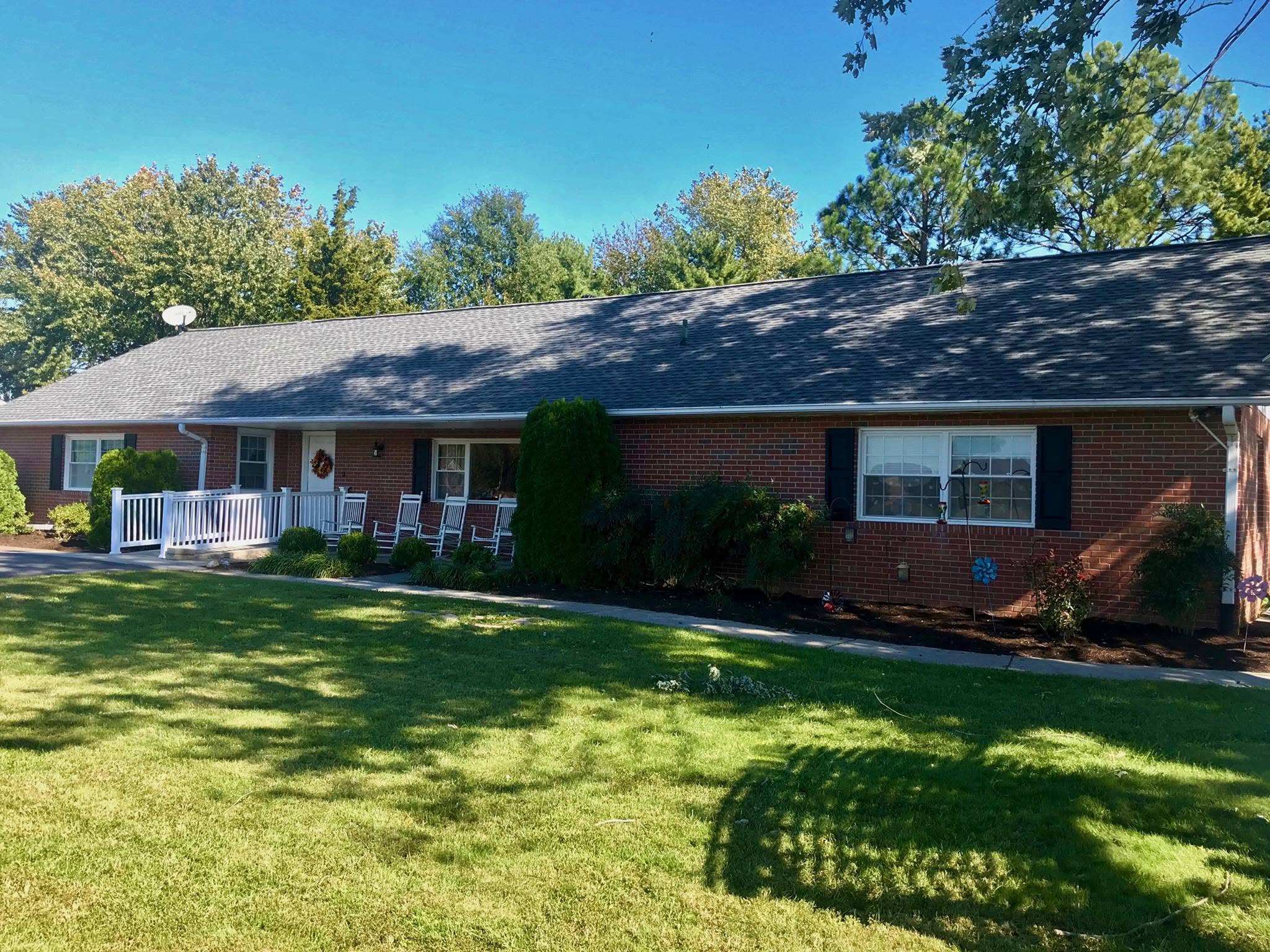
Instead of a large campus, a small-home community serves a smaller number of residents in a house-style setting. That size is the whole point.
Caregivers have time to learn each resident’s routines, preferences, and stories, meals are home-cooked, and daily life feels residential rather than institutional.
Arcadia Living was founded on this idea. When our founder Donna needed care for her grandmother after major surgery, institutional settings felt impersonal, so she brought her grandmother into a residential home with individualized support. Her grandmother went on to live another six years surrounded by familiar faces and comforting routines. That experience became the foundation of Arcadia, built on the belief that older adults do better when daily life still feels meaningful and familiar.
For families drawn to the comfort of home but concerned about safety and isolation, a small-home community can offer much of what makes home feel like home, with support already in place.
How to decide
A few questions can help bring the choice into focus:
- Health and care needs: How much help does your parent need now, and what might they need next year?
- The home itself: Is it safe to navigate, or would it need significant changes?
- Support network: Are family, friends, or neighbors nearby and able to help consistently?
- Social connection: Is your parent staying engaged, or showing signs of isolation?
- Finances: How do the real costs of each option compare over time, not just today?
There is rarely a perfect answer. The goal is the option where your parent feels safest, most connected, and most themselves.
Taking the next step
If you are weighing aging in place against assisted living, seeing a community in person often brings clarity that research alone cannot. A visit lets you notice the daily rhythm of a home, meet the caregivers, and picture whether your parent would feel comfortable there.
When you are ready, we invite you to schedule a personal tour. It is the best way to learn whether a small-home setting feels right for your family.
How do I schedule an assisted-living tour?
You can schedule a personal tour to meet the team, see the residential spaces, and ask about current availability. A visit is the best way to learn whether the home feels right for your family.
Frequently Asked Questions about aging in place vs assisted living
What is the difference between aging in place and assisted living?
Aging in place means staying in your own home as you grow older, with help from family or paid in-home aides as needed. Assisted living means moving into a residential community that provides daily support with tasks like meals, bathing, and medication, along with built-in social activities. The right choice depends on health, safety, finances, and personal preference.
How long does it take for a senior to adjust to assisted living?
Adjustment varies from person to person. Many residents begin to settle within a few weeks to a few months, and familiar routines tend to ease the transition. Bringing personal belongings, staying involved as a family, and keeping a steady routine all help. A calm, home-style setting where caregivers get to know your parent as an individual can make the early weeks feel less unfamiliar.
At what age do most seniors go into assisted living?
There is no set age, since eligibility is based on care needs rather than a birthday. That said, most residents move in during their late 70s to mid-80s. National figures place the average age of assisted living residents in the low-to-mid 80s. Some people move sooner because of health changes, and others wait longer, so the decision is best guided by daily needs rather than age alone.
What disqualifies you from assisted living?
Assisted living supports activities of daily living, so a person may not be a fit if they need a level of ongoing medical care beyond what an assisted-living community is licensed to provide. Needs that typically call for a different setting can include skilled nursing care, certain complex medical conditions, or safety concerns that require more supervision than the community can offer. Because criteria differ by community and by resident, an individual assessment is the only reliable way to know. We can explain what our homes are able to support during a conversation.
What is the average life expectancy of someone in assisted living?
There is no single answer, because how long a person lives depends on their overall health and circumstances, not on assisted living itself. Some residents stay for a short season, and others live in a community for many years. A supportive, engaged environment can contribute to quality of life, but any figure you see is a general statistic rather than a prediction for an individual. Questions about a parent’s specific health are best directed to their licensed healthcare provider.
Does Medicare pay for assisted living?
Medicare generally does not cover the room, board, and personal care provided in an assisted-living community, though it may cover eligible medical services separately. Coverage depends on the situation, so families should confirm benefits directly with the insurer or program administrator.