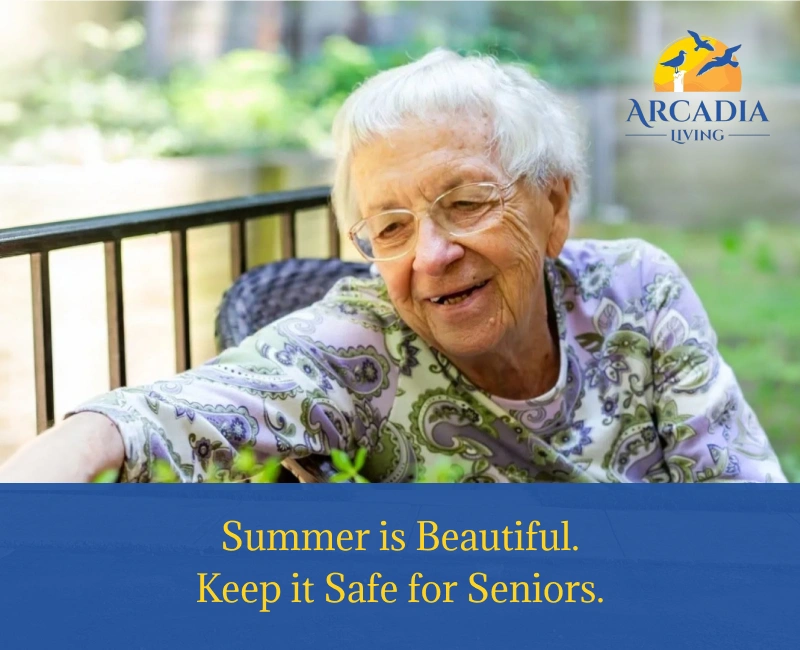
Summer is a season many people look forward to. Warmer days, longer evenings, and a slower pace can make it a genuinely enjoyable time of year. For older adults, though, summer also brings health risks that deserve real attention. Adults over 65 are two to three times more likely to be hospitalized for heat-related illness than younger adults, and extreme heat remains one of the most serious seasonal concerns in senior care during summer.
If your parent or loved one lives in an assisted living facility, you may find yourself wondering whether they are drinking enough water, whether someone is checking on them when temperatures rise, and whether their days still feel meaningful and full. These are exactly the right things to think about. This guide covers the essential summer safety tips for seniors, so families know what thoughtful summer care looks like and what questions to ask.
Why seniors are more vulnerable to summer heat
The body’s ability to manage heat changes with age, and not always in obvious ways. Older adults sweat less efficiently, which means their body temperature rises faster than in younger people. The heart and circulatory system respond more slowly to temperature changes, and kidney function gradually declines, making it harder to stay in fluid balance.
Many seniors also live with chronic conditions such as heart disease, diabetes, or dementia that increase sensitivity to heat. Certain medications, including diuretics, beta-blockers, and antipsychotics, can further limit the body’s ability to cool down. These factors combined are why elderly summer care requires consistent, attentive support throughout the day.
Summer safety tips for seniors in assisted living
Understanding what good summer care looks like helps families feel more confident about their loved one’s well-being. The following tips reflect what quality assisted living facilities provide and what families can watch for at home or during visits.
Stay indoors during peak heat hours
The hottest and most dangerous part of the day falls between 10 am and 4 pm. During this window, outdoor time should be limited or avoided entirely. Morning walks before 9 am and light outdoor activity in the early evening are far safer for older adults. Indoor spaces should remain comfortably cool throughout the day, because air conditioning is a genuine health necessity for seniors in summer, not a comfort preference.
Make hydration a daily priority
One of the most important things to understand about summer care for seniors is that many older adults lose their sense of thirst as they age. They may not feel the urge to drink even when their body genuinely needs fluids. This makes dehydration one of the most common and most preventable risks of the season.
A general daily target of eight cups of fluid is recommended, with the amount increasing during hot weather. Water, herbal teas, diluted juices, and water-rich foods like watermelon and cucumber all contribute. Early warning signs of dehydration include dry mouth, dark urine, unusual tiredness, and mild confusion. These should never be dismissed as simply part of getting older.
Dress appropriately for the weather
Loose, light-coloured clothing made from natural fibers like cotton or linen allows the body to breathe and stays significantly cooler than synthetic fabrics. For any time spent outdoors, a wide-brimmed hat that covers the face, neck, and ears provides important protection from the sun’s rays. Seniors who need help with dressing benefit from gentle, consistent support in choosing appropriate clothing each morning.
Apply sunscreen before going outside
Senior skin is thinner and more sensitive to UV damage than younger skin. A broad-spectrum sunscreen of SPF 30 or higher should be applied to all exposed areas at least 15 minutes before going outside. For extended outdoor time, reapplication every two hours is important. UV-protective sunglasses also help protect senior eye health through the brighter summer months.
Recognize the warning signs of heat illness
Knowing the difference between heat exhaustion and heat stroke helps families and caregivers respond appropriately.
Heat exhaustion presents with heavy sweating, weakness, dizziness, pale or clammy skin, and nausea. Moving the person to a cool space, loosening clothing, and offering fluids are appropriate first steps.
Heat stroke is a medical emergency. Signs include a body temperature of 103°F or higher, hot, dry skin with no sweating, a rapid, strong pulse, confusion, and loss of consciousness. If heat stroke is suspected, call 911 immediately. Do not offer fluids to someone who is confused or unresponsive.
For seniors living with dementia, these signs can be harder to identify because cognitive impairment limits their ability to recognize or communicate that something is wrong. Extra supervision and proactive checks are especially important in memory care.
Review medications at the start of summer
Before the hottest months arrive, it is worth asking the physician or care team to review any medications that may affect heat tolerance. Diuretics increase fluid loss. Beta-blockers and anticholinergic drugs reduce the sweating response. Antipsychotics and antihistamines can interfere with the body’s normal cooling process. A straightforward medication review each summer can make a meaningful difference.
Keep living spaces cool and comfortable
Air conditioning should run continuously through summer, including overnight. Closing blinds on south and west-facing windows during the afternoon reduces the amount of heat entering the room. Fans can help circulate cooled air, but they offer no meaningful protection when outdoor temperatures rise above 95°F.
Maintain a meaningful activity routine
Summer safety does not mean retreating indoors and limiting activity entirely. Meaningful engagement, gentle movement, and social connection all support a senior’s overall well-being through the season.
Safe summer activities include morning garden walks, indoor art and music sessions, movie afternoons, light chair-based exercises, and social gatherings in cooled common areas. Any group activity should include regular hydration breaks and avoid the peak heat of the day.
What to ask an assisted living facility about summer safety
For families evaluating elderly care services or checking in on a current facility, these are valuable questions to raise. How does the facility keep individual rooms and common areas cool through the summer? How does the care team monitor and encourage hydration for residents throughout the day? What changes when a heat wave advisory is issued? How are residents with dementia or complex health needs supervised outdoors during warmer months?
A facility that takes senior summer safety tips seriously will answer these questions clearly, with specific detail, and without hesitation.
Safe, caring summer living at Arcadia Assisted Living
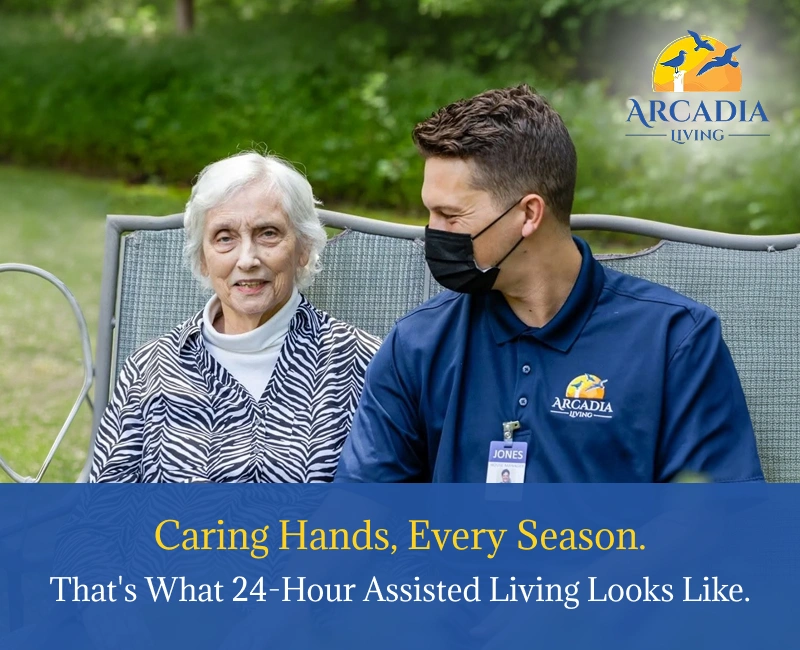
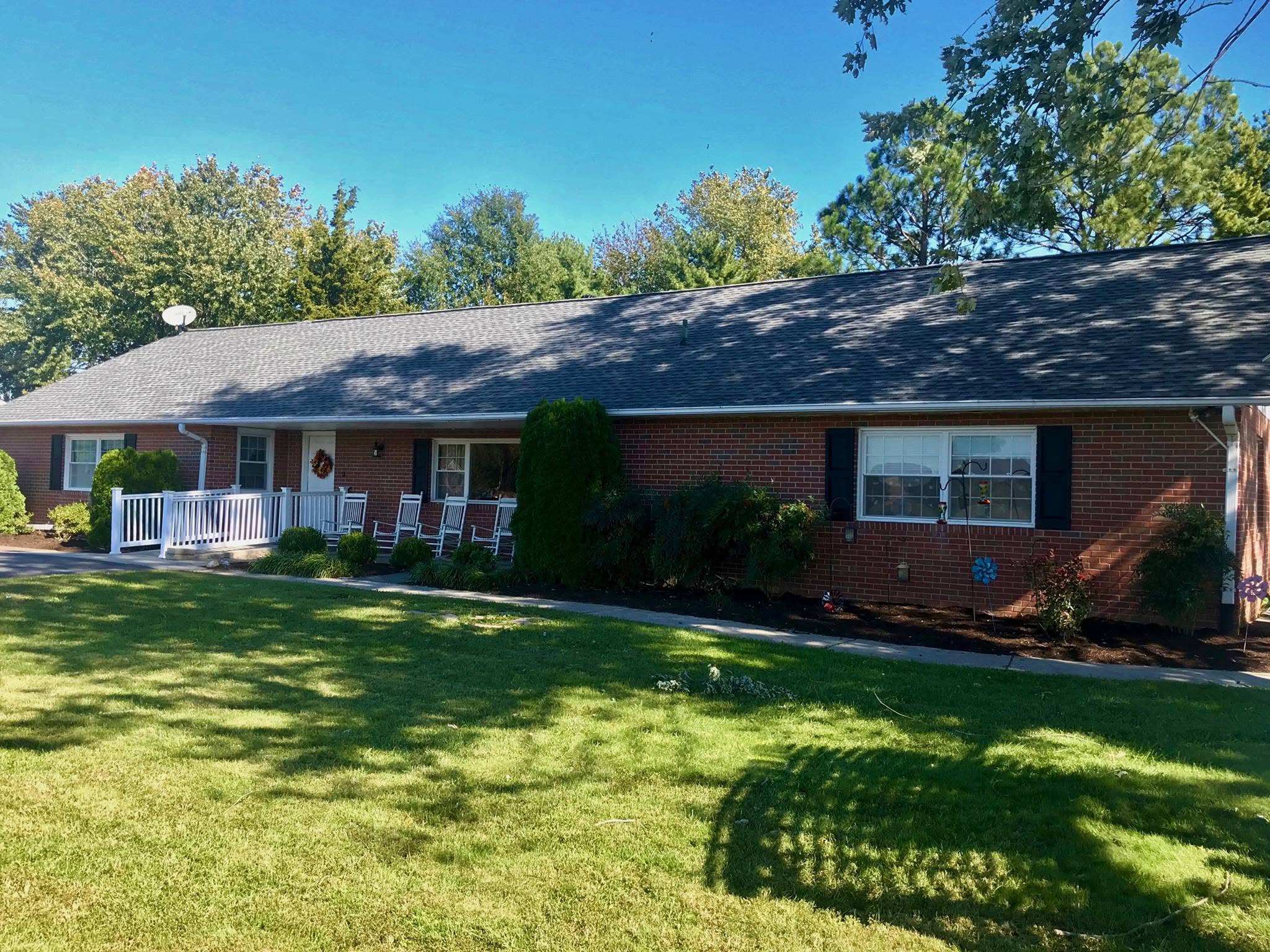
Arcadia Assisted Living provides compassionate care designed to help residents live comfortably through every season. Our communities offer 24-hour assisted living support, with trained caregivers available around the clock to assist with daily needs, encourage regular hydration, and ensure each resident’s day remains safe, comfortable, and genuinely enjoyable.
We have been setting the standards since 2006 and have been voted the Best Assisted Living in Maryland and Winner of “Best on the Shore” for 13 years in a row. Our communities are located in Chester, Denton, Crofton, Easton, and Davidsonville and welcome seniors and their families from across Maryland.
We would love to show you how we care for our residents every single day. Schedule a tour today.
FAQs
1. What are the best summer safety tips for seniors?
The most important measures include staying indoors during peak heat hours between 10 am and 4 pm, drinking at least eight cups of fluid daily even without feeling thirsty, wearing loose light-coloured clothing and a wide-brimmed hat outdoors, applying SPF 30 or higher sunscreen before going outside, keeping indoor spaces cool with air conditioning, and watching for early signs of heat exhaustion such as dizziness, weakness, and heavy sweating. In assisted living facilities, care staff apply these measures as part of each resident’s daily summer routine.
2. What are the signs of heat stroke in elderly people?
Heat stroke warning signs in seniors include a body temperature of 103°F or higher, hot, dry skin with no sweating despite the heat, a rapid, strong pulse, confusion or altered mental state, severe headache, nausea, and loss of consciousness. Heat stroke is a medical emergency. Call 911 immediately and do not give fluids to a confused or unresponsive person. Move the senior to a cool location and apply cool damp cloths while waiting for emergency services to arrive.
3. How much water should elderly people drink in summer?
The general recommendation is eight cups, approximately 1.9 liters, per day, increasing to ten or more cups during hot weather or physical activity. Because many seniors experience a reduced sense of thirst, dehydration is a significant and often overlooked risk. Assisted living care staff are trained to encourage regular fluid intake throughout the day and to recognize early signs of dehydration such as dry mouth, dark urine, and unusual fatigue.
4. What medications make seniors more vulnerable to summer heat?
Several common medications affect the body’s ability to regulate temperature. Diuretics increase fluid loss and the risk of dehydration. Beta-blockers reduce the heart rate and sweating response. Anticholinergic drugs and antipsychotics impair sweating. Antihistamines also inhibit the body’s natural cooling mechanism. Seniors on any of these medications need extra monitoring and hydration support during summer, and a review with their physician before the hottest months is advisable.
5. Is assisted living safe for seniors during summer?
Yes. Quality assisted living facilities are designed to keep residents safe and comfortable year-round, including in summer. They provide climate-controlled environments, 24-hour staffing, attentive hydration monitoring, activity programs adapted to summer conditions, and care teams trained to recognize and respond to heat-related illness. For seniors living alone or with limited support at home, assisted living often provides significantly safer summer conditions than independent living.