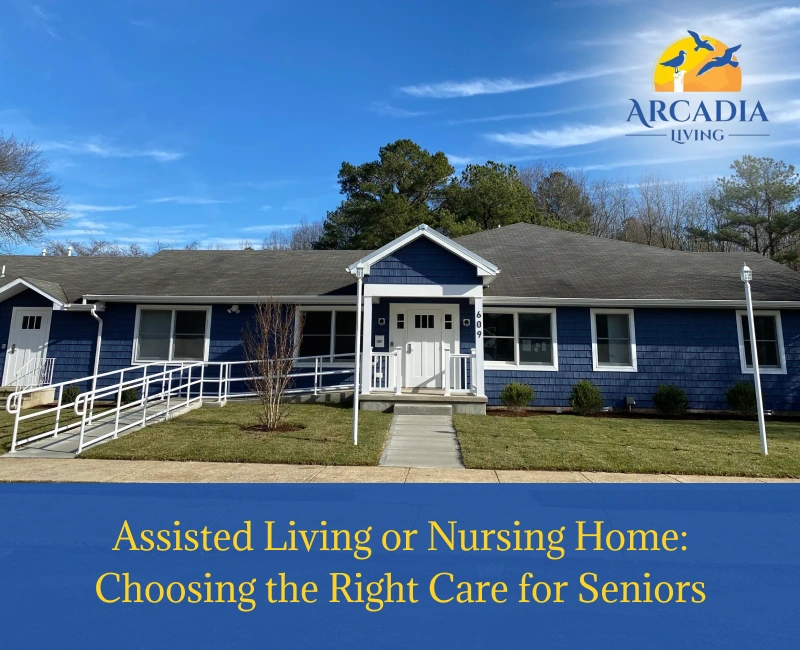
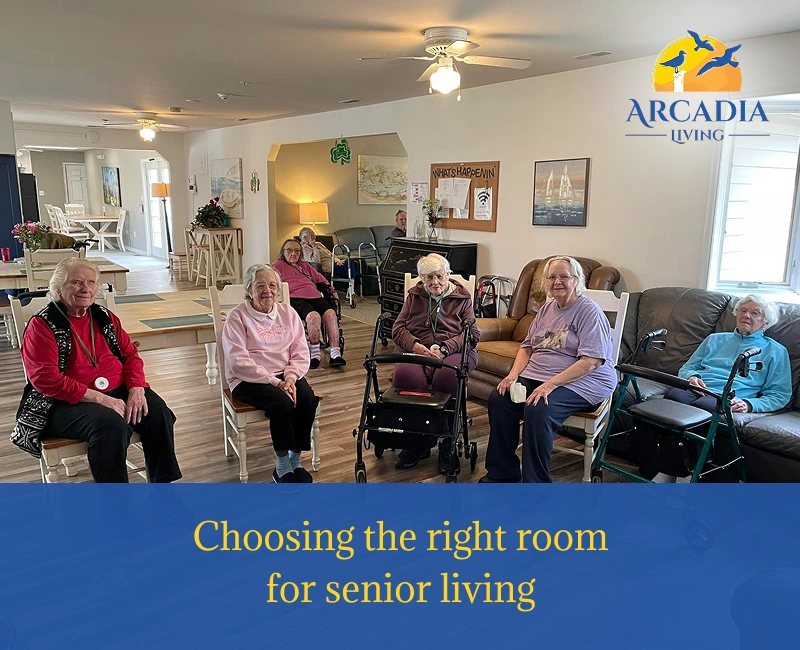
Choosing the right living arrangement is one of the most important decisions families make when exploring assisted living. Beyond location, care quality, and amenities, one question often comes up early: Should a senior choose a private room or a shared room?
Both options are common in modern assisted living facilities and offer distinct benefits based on a senior’s personality, health needs, lifestyle preferences, and budget. Understanding the differences helps families make a confident, informed choice, one that supports comfort, dignity, and overall well-being.
In this guide, we’ll walk through assisted living room options, compare private and shared rooms in detail, and help you decide what may work best for your loved one.
Why room choice matters in assisted living
A room is more than just a place to sleep. For seniors, it becomes a personal retreat, a space for rest, reflection, and routine. The right room setup can directly influence emotional health, sleep quality, independence, and social engagement.
In quality assisted living environments, room options are designed to balance safety, comfort, and accessibility. Whether private or shared, the goal remains the same: to support respectful, compassionate elderly care while promoting a sense of home.
Understanding assisted living room options
Most assisted living communities offer two primary room types: private rooms and shared rooms. Some also provide variations within these categories, such as private rooms with shared common bathrooms or companion suites with defined personal areas.
While layouts vary by community, the core distinction remains privacy versus companionship. Let’s explore both options more closely.
What are private rooms in assisted living?
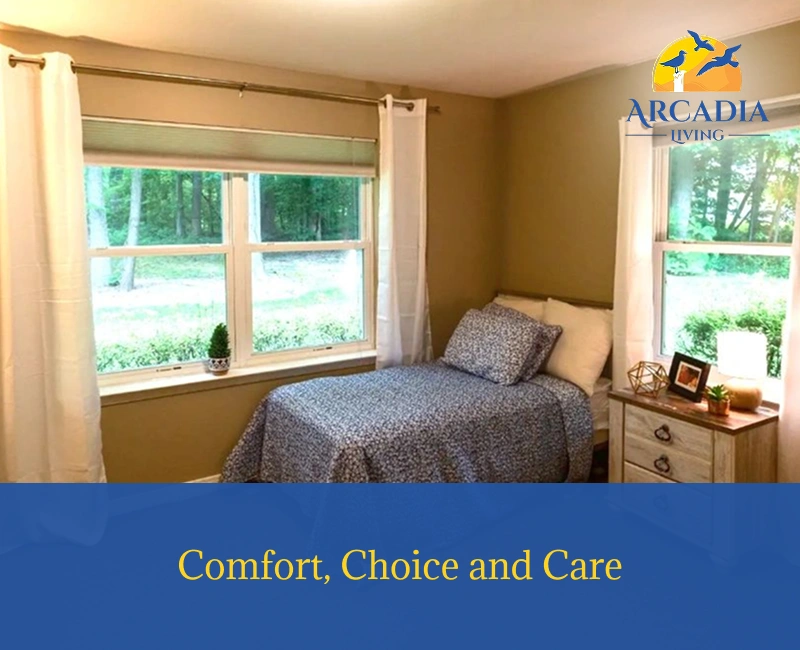
Private rooms in assisted living provide residents with their own bedroom, often paired with a private or semi-private bathroom. These rooms allow seniors to maintain independence and privacy while still having access to 24-hour care and community amenities.
Key benefits of private rooms
Private rooms appeal strongly to seniors who value personal space. They provide a quiet environment that supports uninterrupted sleep, relaxation, and daily routines. For residents who enjoy reading, praying, journaling, or spending time alone, privacy can be deeply comforting.
Private rooms also make it easier for families to visit without disturbing others. Personal belongings, photographs, and furniture can be arranged freely to help seniors recreate a familiar, home-like atmosphere.
From a health perspective, private rooms may reduce stress and sensory overload, especially for seniors managing anxiety, dementia, or chronic conditions that require rest and consistency.
Considerations before choosing a private room
While private rooms offer many advantages, they often cost more than shared accommodations. Families should weigh budget considerations alongside emotional and medical needs.
Some seniors may also feel isolated if they are naturally social or new to assisted living. In these cases, staff-led activities and communal dining play an important role in maintaining engagement and connection.
What are shared rooms in assisted living?
Shared rooms typically accommodate two residents within the same living space. Each resident has their own bed and designated storage area, while common areas like bathrooms may be shared.
Shared living arrangements have long been part of assisted living and continue to serve many seniors well.
Key benefits of shared rooms
Shared rooms offer built-in companionship. For seniors who enjoy conversation, routine interaction, or simply knowing someone else is nearby, this option can reduce feelings of loneliness.
Shared rooms are often more affordable, making assisted living more accessible to families with tighter budgets. They also provide a gentle transition for seniors who have lived with spouses, siblings, or roommates most of their lives.
In some cases, shared rooms can build social confidence and help new residents acclimate more quickly to assisted living facilities.
Considerations before choosing a shared room
Compatibility is essential in shared living. Differences in sleep schedules, personal habits, or preferences can sometimes create friction. High-quality assisted living communities take care to thoughtfully match roommates, but adjustment still takes time.
Shared rooms may also offer less control over noise, lighting, and personal routines. Seniors who value quiet or privacy may find this challenging, particularly as care needs change.
Comparing private and shared rooms
The best choice depends on the individual senior, not just the room itself. Private rooms tend to suit residents who prioritize independence, privacy, and personalized routines. Shared rooms often work well for seniors who thrive on daily interaction and companionship.
Health needs also matter. Seniors with medical conditions that require frequent rest, monitoring, or privacy may benefit more from private accommodations. Meanwhile, seniors who feel anxious when alone may feel safer and more supported in shared spaces.
Emotional well-being and social life
One common misconception is that private rooms lead to isolation and shared rooms guarantee social fulfillment. In reality, social engagement depends more on community culture than room type.
Well-run assisted living facilities offer structured activities, group dining, and shared lounges that encourage interaction regardless of room choice. Seniors in private rooms often enjoy vibrant social lives, while those in shared rooms still have opportunities for personal downtime.
The key is choosing a community that actively supports emotional wellness alongside physical care.
Safety, accessibility, and daily care
Both private and shared rooms in assisted living are designed with safety in mind. Features typically include emergency call systems, accessible bathrooms, and layouts that support mobility aids.
From a caregiving standpoint, both options allow staff to provide consistent, attentive care. The difference lies in personal comfort, not care quality. Reputable assisted living providers ensure that every resident, regardless of room type, receives respectful, individualized support.
How families can make the right choice
When deciding between private and shared rooms, families should involve seniors in the conversation whenever possible. Ask about daily routines, social preferences, and comfort levels.
Touring assisted living homes helps clarify what each option truly feels like. Seeing room layouts, meeting staff, and observing resident interactions often provides more insight than brochures or online descriptions.
Flexibility also matters. Some seniors start in shared rooms and later transition to private rooms as needs evolve. A community that supports such transitions offers long-term peace of mind.
Why room choice is only part of the picture
While room selection matters, it should never overshadow the quality of care, staff experience, and overall environment. Compassionate elderly care depends on trained caregivers, strong safety protocols, and a warm, respectful culture.
A thoughtfully chosen room within a well-managed assisted living setting creates the foundation for comfort, dignity, and stability in later years.
Assisted living at Arcadia
At Arcadia Assisted Living, we understand that every senior’s needs and preferences are unique. That’s why we offer thoughtfully designed room options within warm, home-like settings, never a one-size-fits-all approach.
We proudly provide assisted living homes in Easton, Chester, Crofton, and Denton, serving seniors and families across the surrounding localities. Our focus remains on personalized care, meaningful relationships, and everyday comfort.
We have been setting the standards since 2006, have proudly been voted the best assisted living in MD, and have been honored as the winner of “Best on the Shore” for 13 years in a row. Whether your loved one prefers privacy or companionship, our team helps you choose the right environment within trusted, supportive assisted living facilities.
Frequently asked questions
1. Can seniors switch from a shared room to a private room later?
Yes, many assisted living communities allow room changes as availability permits. This flexibility helps seniors adjust as their needs or preferences evolve.
2. Are private rooms better for seniors with memory challenges?
Often, yes. Private rooms can reduce confusion and overstimulation, providing a calmer environment for seniors with dementia or cognitive decline.
3. Do shared rooms reduce feelings of loneliness?
They can, especially for seniors who enjoy conversation and routine interaction. However, community activities play a larger role in preventing loneliness than room type alone.
4. Is care quality different between private and shared rooms?
No. Quality assisted living ensures the same level of care, attention, and safety regardless of room choice.
5. How do families know which option is right?
The best approach is to involve the senior, tour the community, and discuss lifestyle, health needs, and comfort preferences with care professionals.