Choosing the right type of senior care is one of the most important decisions families make for their loved ones. As parents or relatives age, their needs change. Some seniors simply need help with daily activities, while others require ongoing medical care and supervision. Because of this, families often compare assisted living and nursing homes to determine which environment will provide the best quality of life.
At first glance, the differences between these options may seem confusing. Both offer housing, support, and safety for older adults. However, the level of care, lifestyle, and daily experience can vary significantly. Understanding how each option works can help families make informed decisions that support both well-being and independence.
In this guide, we’ll break down what assisted living and nursing homes provide, highlight their key differences, and explain when each option may be the right choice for seniors.
What Assisted Living Is and Who It Is For
Assisted living is designed for seniors who value independence but may need some help with daily activities. Many older adults remain active and capable of managing much of their routine, but benefit from support with tasks such as bathing, dressing, medication reminders, or meal preparation.
Most assisted living facilities offer private or semi-private living spaces, along with community amenities and services. Residents typically enjoy dining areas, social activities, wellness programs, and housekeeping services that reduce daily responsibilities.
The goal of assisted living is to create a supportive environment where seniors can maintain their independence while receiving assistance when needed. Staff members are available to provide support throughout the day and night, and many communities offer 24-hour assisted living services to ensure residents always have access to help.
For seniors who do not require constant medical care but appreciate the security and community of a senior living environment, assisted living often provides an ideal balance.
What Nursing Homes Provide
Nursing homes, also known as skilled nursing facilities, serve seniors who require ongoing medical supervision and specialized healthcare. These facilities are typically recommended for individuals recovering from serious illness, surgery, or those living with complex medical conditions.
Unlike assisted living communities, nursing homes provide full-time medical care administered by licensed nurses and healthcare professionals. Residents often need daily medical monitoring, rehabilitation services, or assistance with most aspects of personal care.
Many families begin researching nursing care homes near them when their loved one’s health needs exceed what can be safely managed at home. Conditions such as advanced dementia, severe mobility limitations, or chronic illnesses that require frequent medical intervention often lead families to consider skilled nursing care.
While nursing homes focus heavily on medical support, they also provide meals, social programs, and assistance with daily activities. However, the environment typically feels more clinical compared to assisted living communities.
Key Differences Between Assisted Living and Nursing Homes
Both options support senior safety and well-being, but several important differences help families determine which setting is most appropriate.
Level of Medical Care
The most significant difference between assisted living and nursing homes is the level of healthcare provided.
Assisted living communities focus on non-medical support such as help with personal care, medication reminders, and daily routines. Caregivers assist residents as needed but typically do not provide intensive medical treatment.
Nursing homes, however, offer skilled medical care around the clock. Registered nurses, therapists, and other healthcare professionals monitor residents’ health and provide necessary treatments.
For seniors who need constant medical supervision, nursing homes may be the right choice. Those who only require occasional help with daily tasks often do well in assisted living settings.
Independence and Lifestyle
Lifestyle and independence also differ between the two care options.
Assisted living communities encourage seniors to remain as independent as possible. Residents usually have their own living spaces, participate in social activities, and maintain familiar routines.
Nursing homes provide more structured care due to medical supervision. Daily schedules may revolve around treatments, therapy sessions, and health monitoring.
For seniors who value autonomy and social engagement, assisted living often offers a more flexible and lifestyle-focused environment.
Staff Support
Both settings provide support, but the type of assistance varies.
In assisted living communities, caregivers help with tasks such as grooming, dressing, medication reminders, and mobility support while encouraging independence.
In nursing homes, care goes beyond daily assistance to include medical monitoring, treatment administration, and rehabilitation services. Healthcare professionals are present at all times to manage complex health needs.
The best option depends on how much medical care a senior requires each day.
Cost Considerations
Costs vary depending on location, services, and level of care.
Assisted living is generally more affordable because it focuses on housing, meals, and daily support rather than intensive medical care.
Nursing homes tend to be more expensive due to the presence of medical staff and specialized treatments. Insurance or long-term care plans may help cover some expenses.
Understanding both current and future care needs helps families evaluate the financial aspects of each option.
Social Environment
Social interaction plays an important role in senior well-being.
Assisted living communities typically offer a vibrant social environment with group activities, outings, and shared dining experiences that encourage connection and engagement.
Nursing homes also provide activities, but medical care and treatment schedules often take priority.
For seniors who enjoy community life and regular interaction, assisted living communities can provide a more active and engaging lifestyle.
When Assisted Living Is the Better Choice
Assisted living may be the best option for seniors who want to maintain independence while receiving some assistance with everyday tasks.
Many families choose assisted living when their loved ones experience challenges such as:
- Difficulty managing household responsibilities
- Mild mobility limitations
- Occasional memory concerns
- The need for medication reminders
- Social isolation at home
In these situations, assisted living provides support while still encouraging autonomy and active living. Seniors benefit from a safe environment, regular social interaction, and access to help when needed.
When a Nursing Home May Be Necessary
Nursing homes become the appropriate choice when a senior requires consistent medical supervision or specialized treatment.
Common situations that may require skilled nursing care include:
- Advanced Alzheimer’s disease or dementia
- Recovery after major surgery or injury
- Chronic medical conditions requiring constant monitoring
- Severe mobility limitations
- Complex medication management
In these cases, the presence of trained medical professionals ensures that residents receive the level of care necessary to protect their health and safety.
Questions Families Should Ask Before Choosing Senior Care
Selecting a senior care option requires careful thought and planning. Families should ask several key questions before making a decision.
- What level of care does my loved one currently need?
- Will their care needs likely change in the near future?
- How important is independence and social interaction to them?
- What services and amenities are included in the community?
- How experienced and trained is the caregiving staff?
Visiting communities, speaking with staff members, and observing daily life can help families better understand which environment feels right.
The goal is not only to meet a senior’s care needs but also to support their comfort, dignity, and happiness.
Compassionate Assisted Living at Arcadia Assisted Living
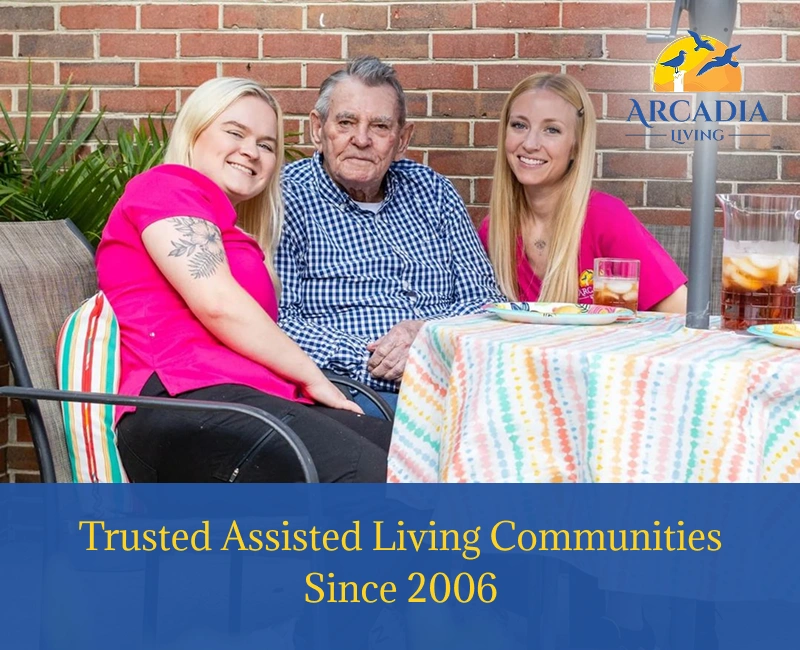
Arcadia Assisted Living offers compassionate care designed to help residents live comfortably while receiving the assistance they need.
We offer 24-hour assisted living services that support seniors with daily activities while encouraging independence and meaningful social engagement. Families appreciate the welcoming environment and personalized care that help residents feel at home.
We have been setting the standards since 2006 and have been voted the Best Assisted Living in MD and Winner of “Best on the Shore” for 13 years in a row. Our communities are located in Easton, Chester, Crofton, and Denton, serving seniors and families throughout the surrounding areas.
Call us today to know more and to schedule a visit.
Frequently asked questions
1. How do families know when it is time to consider assisted living?
Families often consider assisted living when seniors begin struggling with daily tasks such as cooking, cleaning, or managing medications. Social isolation and safety concerns at home are also common signs. Assisted living can provide support while preserving independence.
2. Can seniors move from assisted living to a nursing home later if needed?
Yes. Many seniors begin in assisted living and transition to skilled nursing care if their health needs change. Planning ahead and discussing long-term care options can make this transition easier if it becomes necessary.
3. Are assisted living communities safe for seniors with mild memory issues?
Many assisted living communities are equipped to support seniors with mild memory challenges. Staff members can provide reminders, supervision, and assistance with daily routines to help residents stay safe and comfortable.
4. How do families compare different senior living communities?
Families should consider factors such as staff qualifications, cleanliness, available services, safety features, and resident activities. Visiting the community and talking with current residents can also provide helpful insight.
5. What services are typically included in assisted living communities?
Most assisted living communities include housing, meals, housekeeping, transportation, and help with personal care tasks. Social activities, wellness programs, and medication assistance are also commonly offered.